How do I explain why Margaret Mitchell is my favorite author? She was such a good writer that I’ve lost count of how many times I’ve read “Gone With the Wind.” Her novel draws you into the culture of the antebellum South before leading you through the horrors of the Civil War and Reconstruction through the eyes of Scarlett O’Hara, who vies with Melanie for Ashley’s affections, only to learn too late that she really loves Rhett.
Margaret Mitchell has perfect pacing of narrative, dialogue, and description. The reader gets so lost in the story, you don’t see the technical aspects of writing. You don’t stumble over badly written sentences, inconsistent characters, or data dumps. The book runs smoothly with each well-rounded character easily identifiable from the other. Couple that with the accurate historical aspect of a country at war with itself, and you are not only entertained, but you’re also educated.
I think Margaret Mitchell was the best writer of fiction in modern memory, and she deserved all the accolades she got for writing THE great American novel. I admire her ability and imagination that gave us such a compelling read about strong characters surviving the rigors of war and their own ambitions. They are so real you would expect to find their graves in a Confederate cemetery near Atlanta. I’ve never read any other book that could draw me so fully into the story that I feel I’m there. How do you top that?
Connie Murphy is a senior FDA investigator dedicated to protecting public health and safety. While conducting routine inspections, intrigue and danger intervene, and she gets involved in drug smuggling, food poisoning, economic fraud, industrial espionage, human trafficking, and identity theft. She uses her interviewing and interrogation skills to uncover problems when people are less forthcoming, hide documents or fail to tell the truth.
Each story is based on real FDA cases with the names changed to protect the guilty.
About the Connie Murphy Mysteries(eBooks 10-12):
KILL A THIRST –Local hospitals are overwhelmed with food poisoning cases. Is someone trying to eradicate the elderly and homeless populations on Long Island? Connie must navigate the competitive government organizations to determine if the cases are connected and use her investigative expertise and tenacity to reveal the cause for the illnesses before more people die.
COMPOUND A PROBLEM – When Connie follows up a routine consumer complaint, she learns the company is making a nutritional supplement without FDA approval. The more questions she asks, the more pushback she gets. Her instincts tell her they are not disclosing everything. She suspects they may be doing something illegal and it is up to her to uncover what it is.
A BITTER PILL – While inspecting a company manufacturing a nasal spray to reverse the effects of addictive opioids, Connie discovers an unapproved drug in an unauthorized human clinical trial. When management dodges her questions, she suspects they are hiding something and must find another way to gather the incriminating evidence.
This set can be purchased at Amazon.com
Today we’re talking with BarbaraHelene Smith, author of the “Connie Murphy Mysteries”. Nice to see you again. Our listeners want to know where you get the ideas for your stories. That’s easy. The plots for the mysteries are based on real FDA cases – some I’ve worked on when I was an investigator, others are ripped from the headlines, and occasionally I dig into the FDA compliance archives. An alert may result from a consumer or trade complaint, manufacturer’s recall, or a problem found during routine inspections.
Once you have the idea, how do you go about writing the story? What is your process? When a problem is identified, Connie must follow a trail until the root cause is determined and the corrective action is initiated to prevent the problem from recurring.
I usually outline the major points in the case, which is the roadmap I follow. I may have to do additional research about a specific drug or the manufacturing procedure to better understand the details.
Once that is done, I add material about the location, people Connie interacts with – her colleagues, family, friends and other government agencies. The FDA does not work in a vacuum. Over the course of my career, I’ve worked with the FBI, DEA, U.S. Customs, and state and local government agencies, and weave some of my experiences into the stories.
Each story goes through multiple drafts before I send the manuscript to other writers who have not read the earlier drafts, and then to the Editor, who catches spelling, grammar and punctuation errors I may have missed.
Do you have a specific place and time to write? I do most of my writing on the computer in my study. I’m a morning person and tend to write from seven until … I get tired or lose my focus – about 3-4 hours, unless I’m on a roll.
Writing can be a lonely occupation and you can’t do it alone. I attend writing classes and seminars, and belong to critique groups where we read and discuss our stories with other writers who belong to different genres. Their critiques provide valuable feedback for improvement.
How long does it take to write a book? It depends on the length of the story, but I usually write an e-book in eight to ten months. I’ve now been working on a novella. “Uprooting the Family Tree”, for two years, which I plan to publish this summer.
That’s a long time to be focused on one project. We’re looking forward to reading it. Thank you, BarbaraHelene, for sharing your writing experience with us.
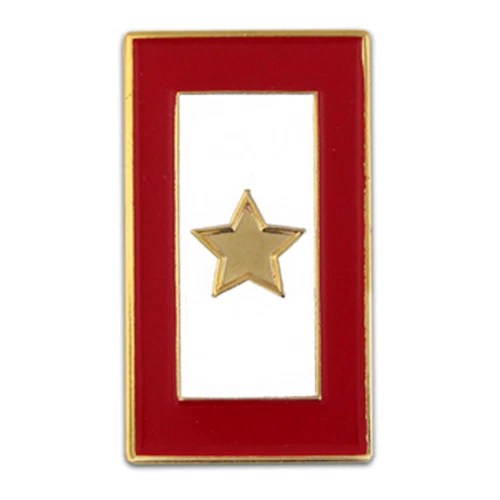
(The significance of a window star is not universally known. A blue star is placed in the window when a loved one goes to war. If they were wounded in action the star is changed to silver. If they die, it is changed to gold – a Gold Star family)
What is LCRW, you may be asking? It’s the acronym for Lilac City Rochester Writers.
Have you visited our author page and gotten acquainted with our members? Here’s a glimpse.
Do you like to read romance novels written by a New York Times best-selling author? Kathryn Shay is one of our members, and she also gives presentations to our group on the craft of writing. It’s a privilege to learn from her.
BarbaraHelene Smith spent her career as an FDA inspector. She has published twelve books about the different types of investigations the FDA handles. The Connie Murphy Mystery series is exciting, and it teaches at the same time.
Rick Taubold writes in varied genres and hosts an online magazine: Fabula Argentia. We think his best book is Punctuation for Fiction Writers. In it, he explains and gives examples of how to use correct punctuation for dialogue, which is different from that used for regular prose.
Rick Iekel also writes in varied genres. He wrote the book The Roc – Journey through the 20th century. It’s the history of Rochester, New York’s airport. He was the best person to write it as he worked at the airport for 30-plus years.
Donna Collins’ name will pop up in your magazines where her recipes and articles about country life appear.
John Caligiuri is our resident science fiction and alternative history author. He mentions local places (near Rochester) in his stories. It makes one feel more involved in the action when they recognize the locale.
Kim Gore teaches writing classes, hosts a writing group, and has multiple books out in different genres, both fiction and non-fiction. She is also a regular presenter in our group and publishes an annual Halloween anthology. She’s our “firecracker.”
This is only a synopsis of the authors you would have the privilege of spending time with if you attend LCRW. Click over to our authors tab to read more about each one, and others not mentioned here. We love visitors at our meetings and always welcome new members who we can help advance in their writing journey.
Our February presentation will be a video by Tamara Merrill. She is an award-winning novelist and short story writer with a diverse body of work, including historical fiction and psychological thrillers. She is a passionate advocate for reading and writing, and a self-proclaimed computer NERD who witnessed the evolution of technology from early UNIX programming to modern AI. She is experienced in developing software solutions and voice recognition systems since the 1970s.
In her word; we’ll take a look at common beliefs and feelings about using AI as a creator, and how you can make the decision of when and if you may want to use AI in your creative process. Points she will cover… To help you in making an informed decision, we’ll explore current laws and legal findings. Then I’ll attempt to give you an understanding of how AI actually works. And If we have time, I’ll list a few real-world applications for… o Writing, editing, and illustrating your work. o From generating content ideas to managing time-consuming tasks, o Practical ways to use AI tools to streamline your marketing efforts while staying authentic to your unique voice.
2025 was a busy year with an average of 16 attendees at our meetings. We covered seven very different subjects, listed below, in our presentations, all pertaining to writing or authorship. Thank you to those who willingly share their expertise. The three peer critiques remain one of our group’s strong points. Where else can one get such experienced readers who help each other improve their writing? The wonderful photo was taken at our annual Christmas party. See you in 2026.
Show, Don’t Tell – Leslie J. Hall (video)
Character development – NY Times Best Seller Kathryn Shay
Indie publishing – Kaycee John
10 types of story structure – Kim Gore
Writing sex scenes – NY Times best seller Kathryn Shay
Songwriting – Phil Dollard
Selling Power of Book Design – Tamara Dever (video)