
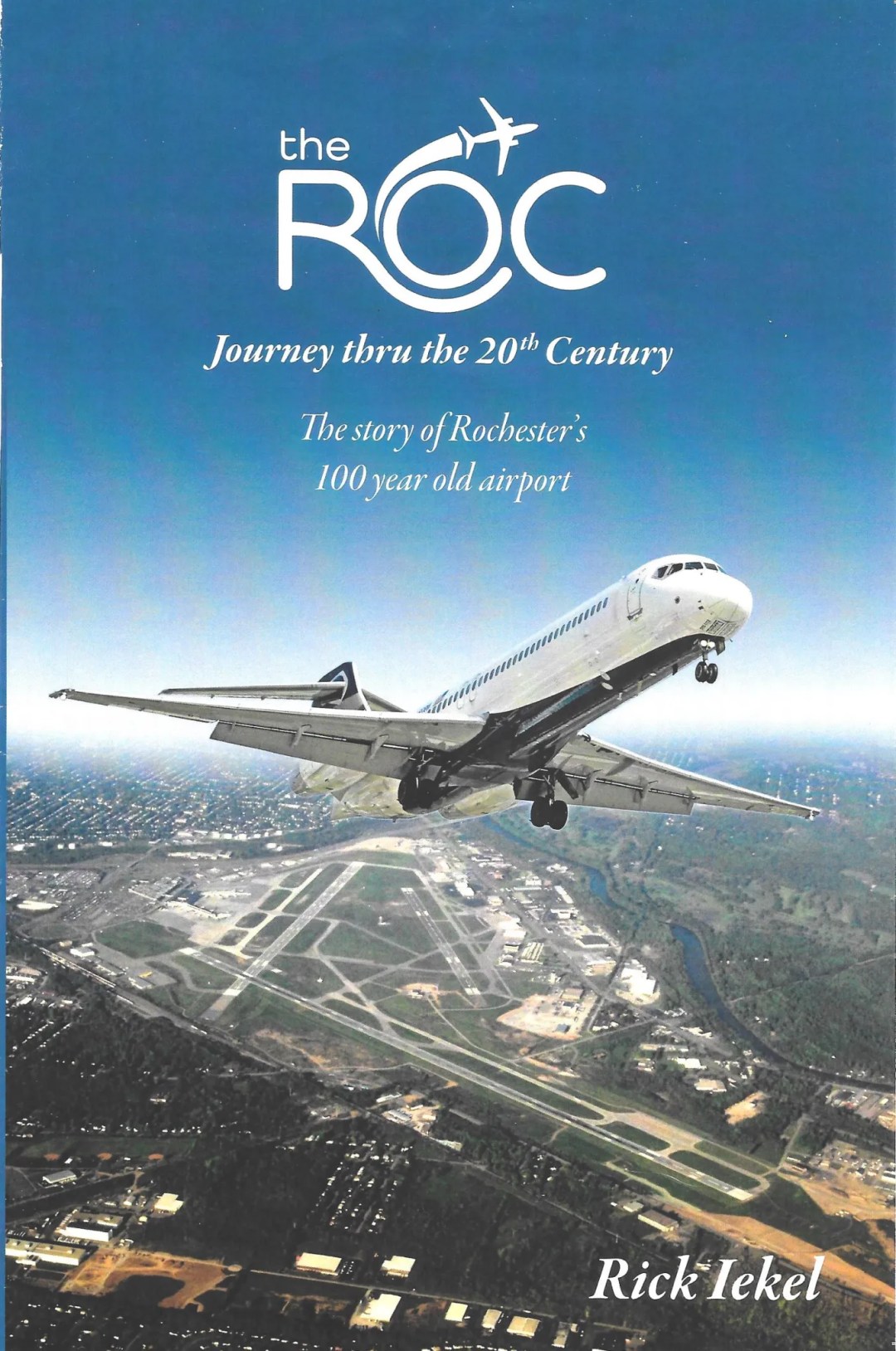
by Rick Iekel
Who says history has to be boring? Why do we deny ourselves the opportunity to learn and enjoy the life and times of those who lived before us? Why, when someone offers an opportunity to open and enjoy a topic-of-old, do we instantly think about those dark days of classroom lessons and hear the teacher say, “Now, class, open up your history books to page 379 . Today we are going to talk about . . .”
In those days instant boredom would take control of our minds and bodies. Nothing good, we might think, can come from the next thirty minutes. We know, of course, that the outcome of this discussion will likely show up on one or more tests in the near and not-so-near future.
Seriously, forget the fact that it is somewhat important to have at least a semi-correct perception of what has happened in the past. I’m here to remind you that not all history is boring. Take, for example, the following excerpt describing a particular winter situation taken from my most recent book, The ROC – Journey thru the 20th Century (the only researched and compiled history of Rochester’s airport) :
* * * *
At the present time, the two, so to speak, “bookends” of a typical winter condition would read, “Bare and wet,” (…that’s good) and “Braking action nil” (…that’s bad). In the end, though, when the snow reaches 4” in depth, the runway must be closed.
The reader might find the following admission of guilt amusing as we bring the topic of snow removal to a close:
HOW BAD CAN IT GET?
It was my first significant snowfall as airport manager. The day was coming to an end. Runways were open and clean-up underway. I headed home.
After dinner I decided to drive back to the airport to watch the progress. I pulled on the tarmac and drove the length of the west wing of the terminal. The surface was cleared, awaiting aircraft that would remain overnight. A long row of mounded snow paralleled the building near the outer edge of the pavement.
The mound was a barricade for my access to the airfield. With no opening available and my unwillingness to drive back to the far end, I sized up the mound and estimated that I could break through. In my Ford sedan, I took aim and stepped on the gas. When I hit the snow, the car went airborne, flying forward several feet before landing on the mound. As the car settled, I noted with some dismay that the snow had reached the level of my side window. This resulted in the following radio conversation:
“Charlie 5, this is Charlie 1.”
“Go ahead Charlie 1.”
“Charlie 5, when you have a moment could you meet me on the West Ramp?”
“Roger, Charlie 1. Be there in five.”
Soon, a yellow pickup truck neared my position. I really did not want to look up, but when I did, I noticed a wide grin on the operation supervisor’s face.
“Looks like you have a bit of a problem, Charlie 1.”
“A-a-a, roger that, Charlie 5. I’d say so.”
“Charlie 70 (a loader), this is Charlie 5.”
“This is Charlie 70, go ahead Charlie 5.”
“Charlie 70, break off what you are doing and meet me on the United ramp. Charlie 1 has a situation here.”
Needless to say, this event was a lesson learned.
 Lilac City Rochester Writers