
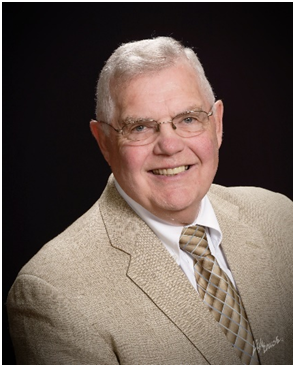
Why I Joined LCRW

By: Rick Iekel

            I really don’t read a lot. When in grade school, my teacher cautioned my mother. “You need to stop reading to your child. He is really a very poor reader.” You can bet that my mother was quite unhappy with that suggestion. As her youngest child, I guess I satisfied a need she had that made us both very happy.

            My mother was a writer – poetry mostly. She had some success, but like all writers, she experienced the defeat of rejection. Nevertheless, when she passed at the age of 84, I was the keeper of a box filled with her literary efforts. Storing that box on a basement shelf, I knew that someday I would honor her by gathering a sample of her work and write a book. Years passed. Then, while recuperating from major surgery, I pulled out that box and began the road to publishing.

            You know, you just can’t do something like that alone. Oh, the book honoring my mother seemed easy enough. But I still accepted help from another writer. That person – THANK YOU PAT – became my mentor, my cheerleader, my greatest motivator, and actually goaded me into beginning my next book.

            Another book? No, I couldn’t. Well, OK. I’ll try it.

            About that time I heard about LCRW’s quarterly Critiques. Attending my first such event as a guest, I heard and saw a gathering of supportive writers give positive feedback to a number of members who submitted their work for review. I listened as some expressed their delight at certain lines used by the author. I saw multiple points of view regarding other pieces of the author’s submission. I watched the writer sit silent and (every so often) scribble a note about some point they wanted to consider later.

            At my first opportunity (the next critique session) I submitted a portion of a story I was writing. Ten (more or less) people read my handout, considered what I wrote, and provided both positive comments and personal suggestions. Ten people read what I had written, spent their valuable time considering the pros and cons of my words, and gave me useful suggestions.  

            Did I use all their suggestions? No . . .but some, yes. As writers, we each have the right to claim our way – our words – said it best. Hearing how those words were received by a group of people who also write. That is very important, but the words remain ours, and the story is our story. We have every right to say, “Nope! I like it my way.” On the other hand, a critique by fellow writers is very valuable. In the event three or four people point out a particular segment and suggest something more appropriate, it might be wise to listen and seriously consider their well-meaning feedback.

            LCRW has a great track record of valuable critiques. In addition to meeting fellow writers, we can become better writers when we value feedback offered at critique sessions.
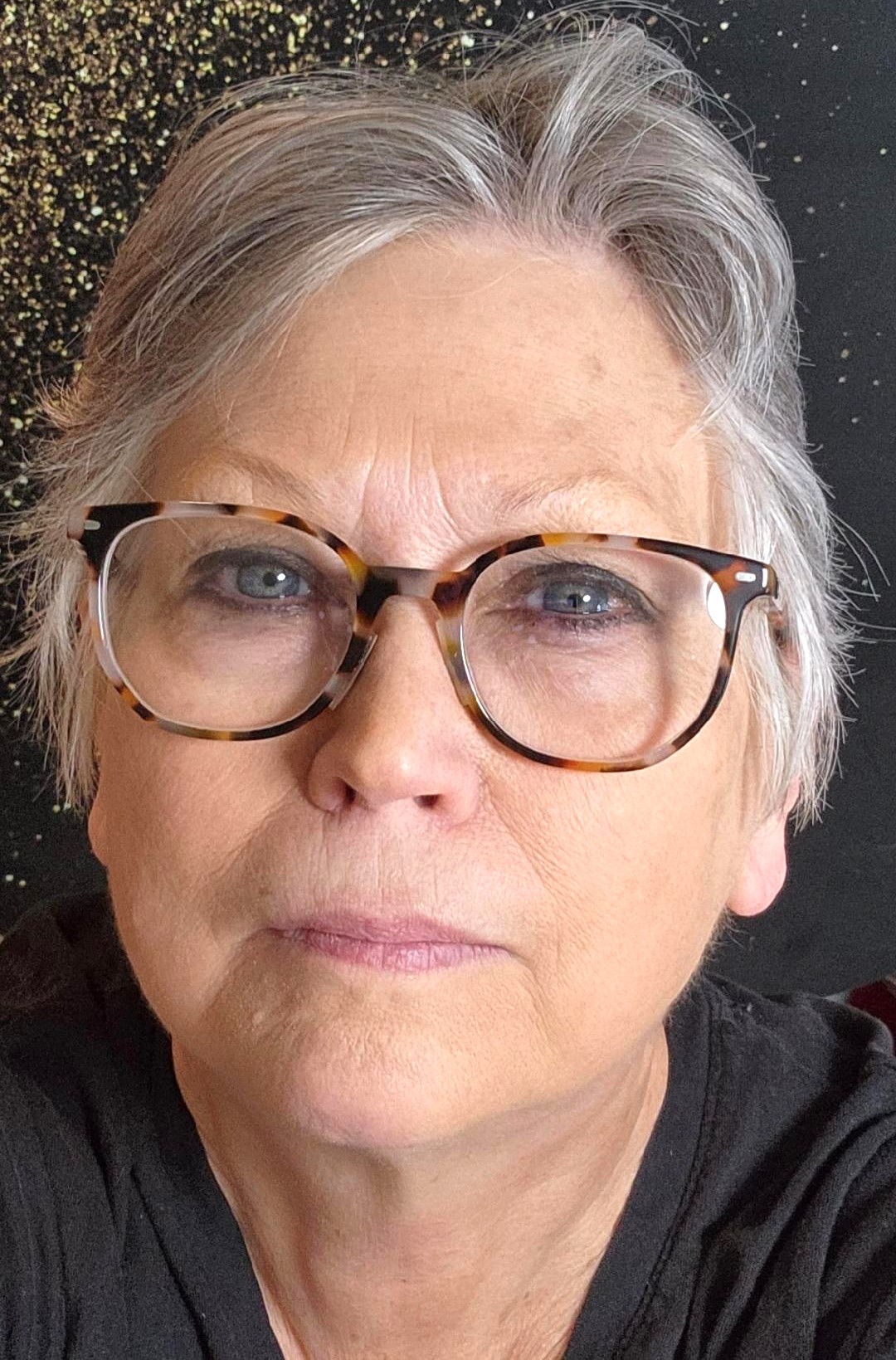
Midnight Confessions

by Donna Collins

Over the years, as a nurse, I’ve done my share of shift work. A lot of that was on the ‘graveyard shift’—eleven-to-seven working with a pared down crew. The time between two and four in the morning were known as the ‘witching hours.’ 

To fight the fatigue, one consumes copious amounts of coffee while struggling with the workload. Those were also the hours when people seemed to be most vulnerable. While most turned anxious thoughts inward, a few found the need to unburden. I referred to these admissions as midnight confessions. 

I remember several heartbreaking revelations shared in confidence. Secrets so painful and despair so deep that they could no longer be contained. Stories I can never repeat. 

Often, I had no words of wisdom, no advice, or even encouragement, but none were needed or wanted. These poor souls only wanted to be heard. So, I did the only thing I could. I listened.

I wasn’t a writer then, but even now, decades later, I will not share their stories. Their brave words belong to them and only them. But as a writer, I can take inspiration from their experiences.

What I have learned is crushing circumstances require strong believable characters, so I can build on the survivor’s traits in my fiction. Strong men can, and do cry. Broken women heal. People, thankfully, are incredibly resilient. 

The range of emotions I witnessed also can be woven into my writing. Sorrow, sadness, betrayal can transition into hope, joy, and acceptance.

I can assure you that no matter what situation I put my characters through, I will always try to provide a happy or at least a gratifying ending. Characters, real or fiction, deserve nothing less.

When Your Writing Matters

By Kim Gore

I grew up reading a very simple but joyful series called Dick and Jane. What I loved about these books with their 1950’s attired children, rosy-cheeked and naïve, wasn’t the storylines. In fact, I don’t think I could give you one plotline gleaned from the series. The stories weren’t memorable. They were told in short sentences. Nothing special or fancy. Just readable for a first grader. But I loved that the pictures helped tell the story. The children’s expressions ranged from gleeful to sour to upset.  Even before taking in the story word by word, I loved the emotions drawn on the page. It was as if watching a play, but with two-dimensional humans that spoke inside my head instead of a stage. I took to writing my own stories, using my own drawings. But my skill was limited in both departments, being that I was in public elementary school.

My Cousin Helen took my sister and me to see theatre productions. Hello Dolly. Peter Pan. The Nutcracker. Enthralled, I began to write plays. My sister and I performed them for our relatives during holidays. I was still just a little kid, not even a teenager. But to be able to make those words come alive through performance thrilled me. Again, evoking emotion from words. Facial expressions. Arm movements.

When I was fifteen, my mother introduced me to Christopher Pike. Or, at least his books. I opened up to a world of shocking horror. Teenagers, like me, with problems, like I had…and then a twist! Murder. (I don’t think my mom realized these were more or less horror novels, but…) I was shocked to read books about teens getting revenge on other kids in the most horrific of ways. Dick and Jane never did these terrible things.

But I loved it.

I immediately began filling up pages and pages with crazy, unhinged adolescents. My imagination had been released, and now I wrote novels. I didn’t care that they weren’t going to be published. Or read by someone else. I wrote for the sheer joy of creating. Inventing. Discovering where my mind wanted to go. While kids went to parties or stayed out past midnight drinking, I was in my room, scribbling away. Encouraged by my parents, who understood creativity well, as they were both prime examples of being artists in their own right.

In high school and college, I acted in plays. Again, loving every moment of evoking emotion, spilling it out beneath bright stage lights and the watchful eyes of a rapt audience. I took theatre classes in college, including a scriptwriting class. And over a weekend, I wrote a play my mom titled Something Blue. Long story short, I had it approved by the college to put onstage in their Blackbox Theatre. They gave me a stipend to use for supplies. I had a team that helped me. I directed it. We had full houses every night of the production. I sat watching the performance, listening to the audience laugh at all the right places, become silent when intense words spilled out of the actors’ mouths. People left the theatre crying, which I hadn’t expected. It had a sad ending. People felt that. I made people feel. They laughed! They cried! One person, an actor’s father, was shocked someone so young had written it.

I knew then that I wanted to be a writer.

It wasn’t that I wanted fame, to be noticed, or money. I mean, sure, I would have liked all that. But what made an impact was the way people responded. Like how I responded all those years ago after reading a story. It wasn’t the plot that held me captive. It was how the story made me feel. The way it touched me. Reached out with invisible fingers and nudged my heart. That was why I was so captivated with Dick and Jane. Watching Peter Pan. Reading Christopher Pike’s Chain Letter.

If you can make your audience feel, they will remember. And that’s been my motivation for storytelling (and my music, my art) ever since.